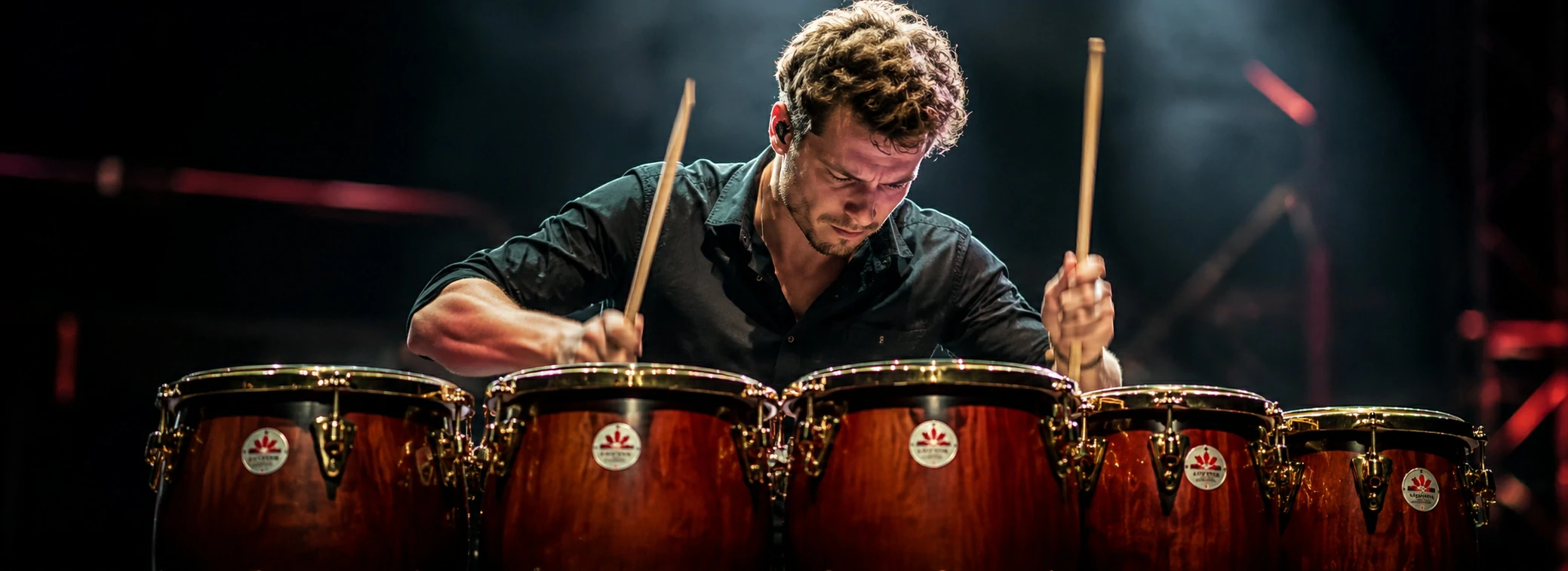
The Da Tang Gu is a traditional Chinese bass drum widely used in Chinese orchestras, folk ensembles, and cultural performances. Known for its deep, resonant tone and commanding presence, it plays a vital role in both classical and contemporary Chinese music. Choosing the right Da Tang Gu involves careful consideration of size, materials, construction, and intended use to ensure optimal sound quality and playing comfort.
2. Understanding the Instrument
The Da Tang Gu typically features a broad, cylindrical wooden shell with natural animal-skin drumheads on both sides. It is larger and deeper than its smaller counterpart, the Xiao Tang Gu, and produces a powerful, low-frequency sound that can lead or accentuate orchestral passages .
Key components include:
Shell: The main body, usually made of hardwood, determining resonance and volume.
Drumheads: Traditionally crafted from cowhide, affecting tonal warmth and durability.
Hoops and Tension System: Used to secure and tune the drumheads, ranging from traditional rope lacing to modern bolt systems.
Stand: Often includes a sturdy wooden or metal frame, sometimes with wheels for mobility .
3. Choosing the Right Size
Size is one of the most critical factors, directly influencing pitch, volume, and portability. Common diameters include 60 cm, 80 cm, 100 cm, and 120 cm .
Diameter | Characteristics | Recommended Use |
|---|
60–80 cm | Higher pitch, easier to handle, moderate volume | Practice, teaching, small ensembles |
100 cm | Balanced tone and power, versatile | Standard Chinese orchestras, medium venues |
120 cm | Deepest bass, maximum projection | Large stages, outdoor events, professional performances |
Consider your physical space, transportation options, and the acoustic demands of your performance setting when selecting a size.
4. Shell Material and Construction
The shell material significantly impacts the drum's tonal character and longevity.
Hardwoods such as nanmu or rosewood offer warm, rich overtones and excellent durability .
Multi-ply composite wood provides consistent resonance and is often more resistant to environmental changes.
Construction quality matters—look for seamless joints, smooth interior surfaces, and even thickness to ensure uniform vibration and sound projection.
Avoid drums with visible cracks, warping, or uneven seams, as these defects can compromise both sound and structural integrity.
5. Drumhead Quality
Traditional Da Tang Gu drums use natural cowhide heads, which deliver authentic warmth and dynamic range. Key considerations include:
Thickness: Thicker hides produce deeper, more sustained tones but require greater striking force.
Processing: Well-tanned and evenly stretched skins minimize unwanted overtones and improve tuning stability.
Condition: Check for uniform color, absence of scars or thin spots, and proper adhesion to the hoop .
Some modern variants may incorporate synthetic heads for increased weather resistance, though purists often prefer natural skins for their organic sound.
6. Tension and Tuning System
The method used to tension the drumheads affects ease of tuning and maintenance.
Rope/Cord System: Traditional and visually authentic, but requires skill to adjust evenly and is sensitive to humidity changes.
Metal Bolt/Lug System: Allows precise, independent tuning of each point around the head, offering greater stability in varying climates .
For frequent performers or those in regions with fluctuating weather, a hybrid or fully mechanical system may provide more reliable performance.
7. Stand and Mobility
Given the substantial weight of larger Da Tang Gu drums, a robust stand is essential.
Material: Solid wood or heavy-duty steel frames ensure stability during vigorous playing.
Mobility Features: Models equipped with braked wheels facilitate safe and easy movement on stage .
Height and Angle: Some stands offer adjustable positioning to accommodate different playing styles and postures.
Test the stand's sturdiness and locking mechanisms before purchase to avoid unwanted movement during performances.
8. Intended Use and Budget
Align your selection with your primary purpose:
Beginners and Students: Smaller sizes (60–80 cm) with basic but functional hardware offer good value without overwhelming the player.
Ensemble and Orchestra Members: Mid-sized drums (100 cm) with reliable tuning systems balance cost and performance.
Professional Soloists and Large Venues: Premium models (120 cm) featuring high-grade woods, hand-selected hides, and advanced stands deliver superior sound and stage presence.
Allocate a significant portion of your budget toward shell and head quality, as these elements most directly influence the instrument's voice and lifespan .
9. Inspection and Testing Tips
Whenever possible, evaluate the drum in person:
Tap the center and edges of each head to assess tonal consistency and sustain.
Listen for unwanted rattles or buzzes that may indicate loose hardware or internal flaws.
Examine all joints, hoops, and tension points for signs of wear or poor craftsmanship.
If buying online, request detailed photos, sound samples, and information about the maker's reputation .
10. Maintenance Considerations
Proper care extends the life of your Da Tang Gu:
Store in a climate-controlled environment away from direct sunlight and extreme humidity.
Regularly wipe the shell and hardware with a soft, dry cloth.
For rope-tuned drums, periodically check and retighten the lacing to maintain even tension.
Keep spare drum keys or tuning tools accessible for quick adjustments .
11. Conclusion
Selecting the ideal Da Tang Gu requires balancing acoustic preferences, practical needs, and budget constraints. By understanding the interplay between size, materials, construction, and hardware, you can choose an instrument that not only meets your current requirements but also grows with your musical journey. Whether for personal practice, ensemble work, or grand stage performances, a thoughtfully chosen Da Tang Gu becomes a powerful extension of your artistic expression.